Greater Wellington has filed charges against Tiaki Wai and Wellington City Council following its investigation into alleged unlawful wastewater discharges from the Moa Point Wastewater Treatment Plant. The charges relate to…

Wild weather wracking the Wairarapa in recent weeks, and flood waters that closed roads and damaged the Tūranganui River Bridge, highlight the need for central and regional government to continue co-funding flood resilience projects, says Greater Wellington Chair Daran Ponter.
“This week’s orange rain warning, less than a fortnight after the flood that isolated communities, shows the value of Greater Wellington working with the district council, mana whenua and local residents to review flood protection in South Wairarapa” Cr Ponter says.
“While the bridge is now open, damage in June and February demonstrates the significant economic and social costs that arise when critical infrastructure is vulnerable to extreme weather – costs that ratepayers should not have to carry alone.
“We need an ongoing pipeline of central and regional government co-funding for flood resilience projects. Since 2020, we’ve co-invested in over 100 projects across the motu to protect lives, lifelines, homes and businesses – but the job is not done.”
Through Before the Deluge, an investment strategy by the partnership of New Zealand's 16 regional and unitary councils – Te Uru Kahika, more than $400 million in central government co-funding has been secured for 129 projects, to which council’s contributed 40% of total costs.
Te Uru Kahika Principal Advisor Flood Risk Management Graeme Campbell says ongoing co-funding would help protect critical infrastructure, food production and local economies.
“The cost to communities of cleaning-up and rebuilding after severe weather events reinforces the value of protecting public lifelines before disasters occur,” Mr Campbell says.
“But climate adaptation should not be delivered by ratepayers alone. Successive governments have had the foresight to co-invest in flood protection through the Regional Infrastructure Fund and post-COVID recovery funding – but there’s still more work to do.
“Research shows it is far more cost effective to invest in building resilience before flood events, rather than cleaning up after them.”
Te Uru Kahika will continue to advocate for stronger national direction on avoiding development in high-risk areas through regional spatial planning set to be introduced under new resource management legislation.
The sector organisation will also seek clearer tools for councils and communities to make adaptation decisions, alongside funding settings that support both engineered protections, such as stopbanks, and natural systems, like wetlands, stream restoration and catchment planting.
“We’ll be asking the Government to continue being a partner in protecting people, property and public assets from New Zealand’s number one hazard – flooding,” Cr Ponter says.
“The investment decisions we make today will determine whether future generations inherit resilient river communities or an ever-growing recovery bill after every major storm.”
Greater Wellington has filed charges against Tiaki Wai and Wellington City Council following its investigation into alleged unlawful wastewater discharges from the Moa Point Wastewater Treatment Plant. The charges relate to…
Following an independent investigation, Greater Wellington has filed charges in the District Court in Wellington relating to multiple non-compliance events at Moa Point Wastewater Treatment Plant (WWTP). The series of…
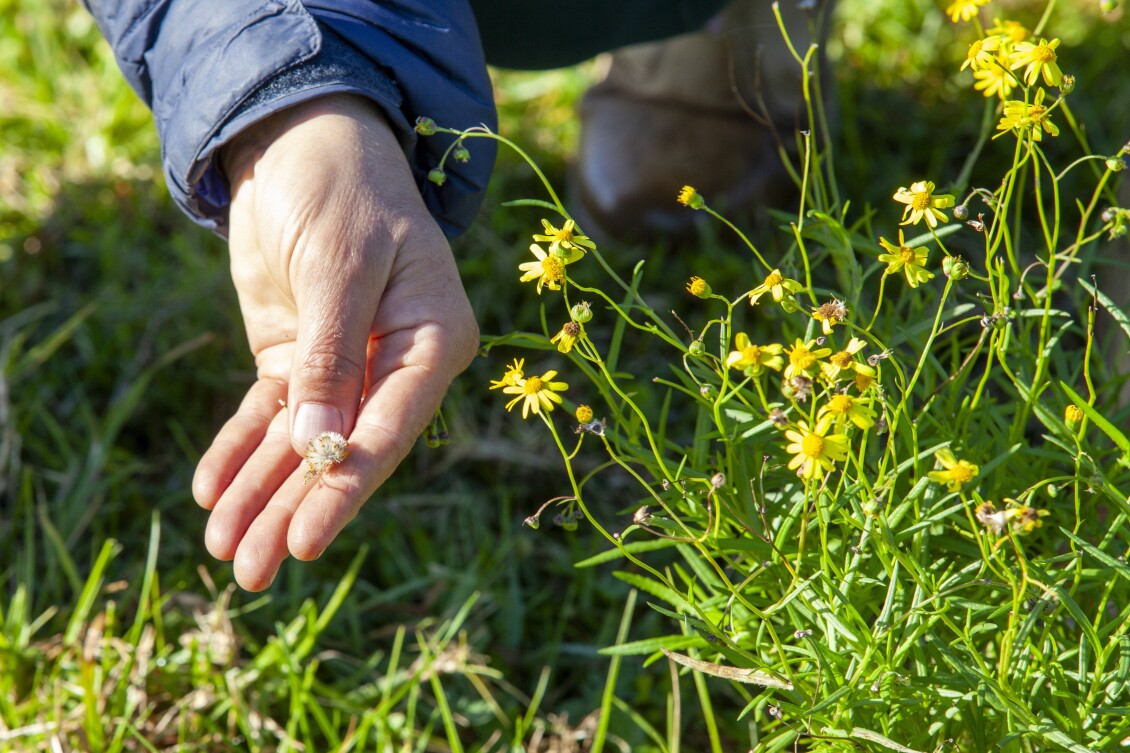
Madagascar ragwort, an invasive and highly toxic pasture weed, has been identified in south Wairarapa near Ngawi, prompting Greater Wellington to urge farmers, landowners and rural communities across Wairarapa and…