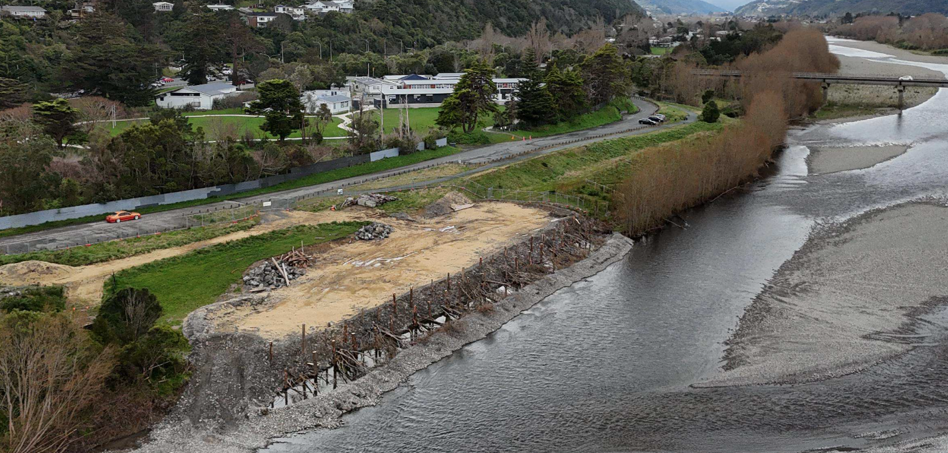
Work is underway near Marsden Street on a temporary rockline that will help support flood resilience works along Te Awa Kairangi/Hutt River while protecting nearby assets as the project progresses. The…

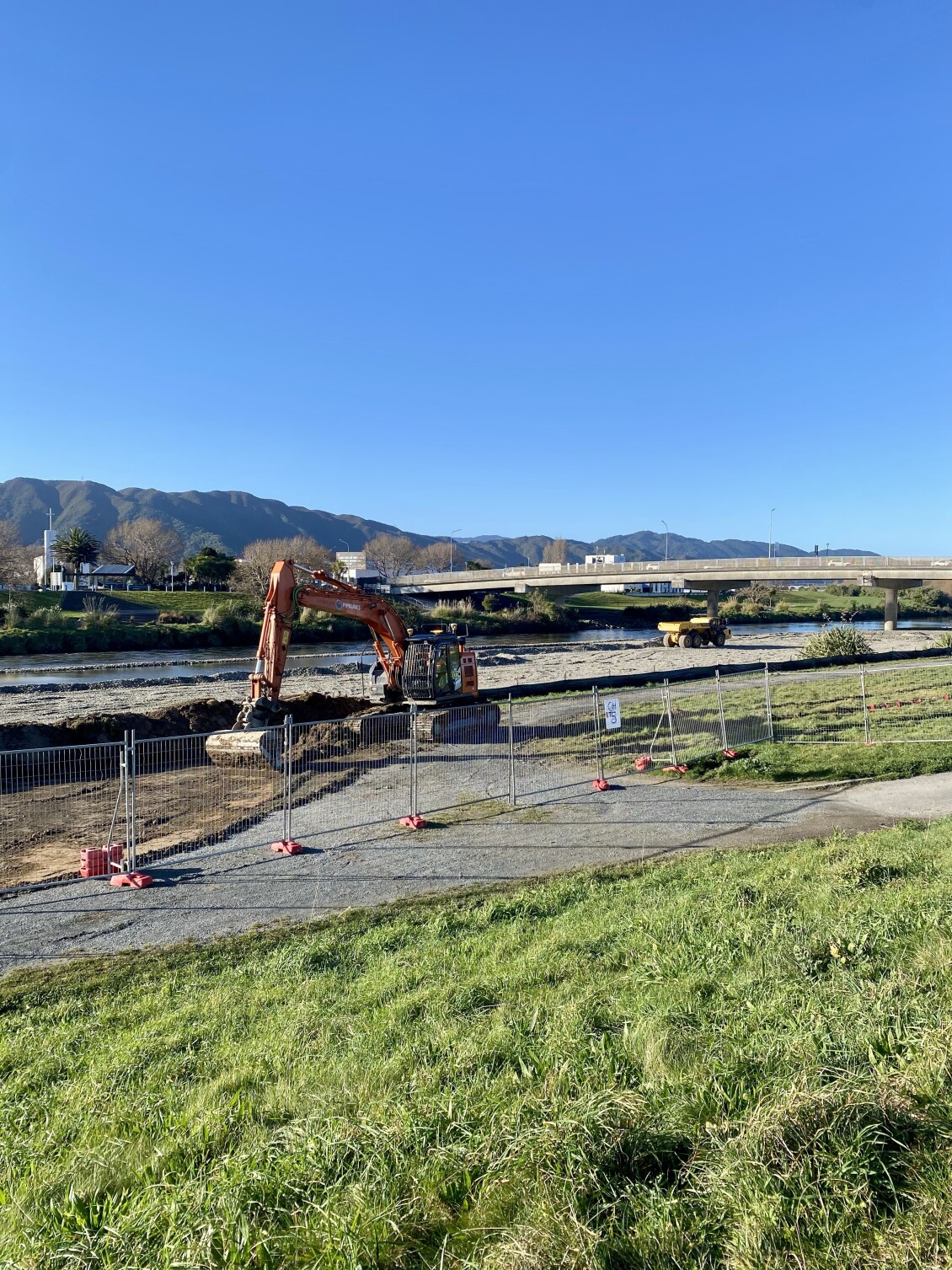
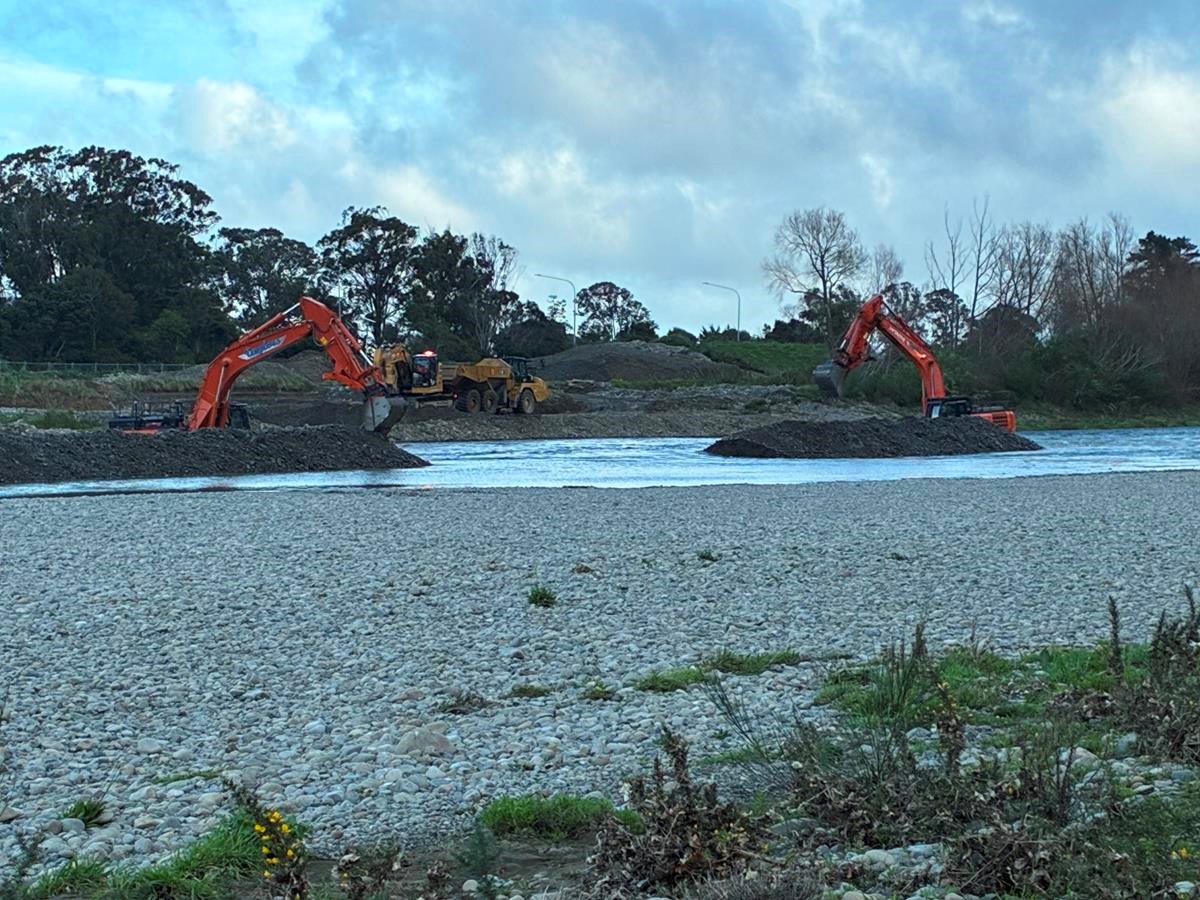
Throughout July you'll see gravel extraction taking place just south of Kennedy Good Bridge. It's one of the many ways Greater Wellington helps reduce flood risk in Te Awa Kairangi/Hutt River and build resilience against increasingly severe weather.
We often get asked why we’re doing this work.
Greater Wellington project manager Robbie Woods explains: “Te Awa Kairangi / Hutt River is a dynamic river that naturally carries gravel downstream. Over time, this material settles and builds up on the riverbed.
“If the levels get too high the river can lose capacity, meaning there's less room for water during heavy rainfall. This in turn increases pressure on our stopbanks, contributes to erosion, and heightens flood risk for nearby communities and infrastructure.”
By carefully extracting the excess, we can help maintain the river's ability to safely carry floodwaters.
Robbie adds: “Before any gravel is removed, we work within a range of environmental, cultural and regulatory requirements. These help ensure flood protection work is balanced with ecological, recreational and cultural values.”
The work supports our wider flood protection initiatives as part of Te Wai Takamori o Te Awa Kairangi, which includes stopbanks and bioengineering sites –all of which help to safeguard homes, businesses, transport connections and essential services across the valley.
There is also an added benefit to this year's programme. The gravel will be set aside for use by NZTA during construction of the new SH2 Melling interchange and Melling Bridge. The material will help create crane pads needed for the project, ensuring a valuable local resource is put to use supporting another major investment in the Hutt Valley's future resilience and transport network.
This work is part of Greater Wellington's wider flood resilience programme for Te Awa Kairangi/Hutt River. Managing flood risk isn't about stopping the river from changing. It's about understanding how the river naturally moves and working with those processes to protect people, infrastructure and the environment. That's how we're helping protect our place while giving the river room to move.
Work is underway near Marsden Street on a temporary rockline that will help support flood resilience works along Te Awa Kairangi/Hutt River while protecting nearby assets as the project progresses. The…
Tree felling along parts of Te Awa Kairangi/Hutt River near Pharazyn Street is part of a wider effort to improve flood resilience by working with nature through bioengineering. This year, Greater…
Greater Wellington has updated its cost estimate for the flood protection component of Te Wai Takamori o Te Awa Kairangi (formerly RiverLink) and is continuing discussions with the government on…