Greater Wellington has filed charges against Tiaki Wai and Wellington City Council following its investigation into alleged unlawful wastewater discharges from the Moa Point Wastewater Treatment Plant. The charges relate to…

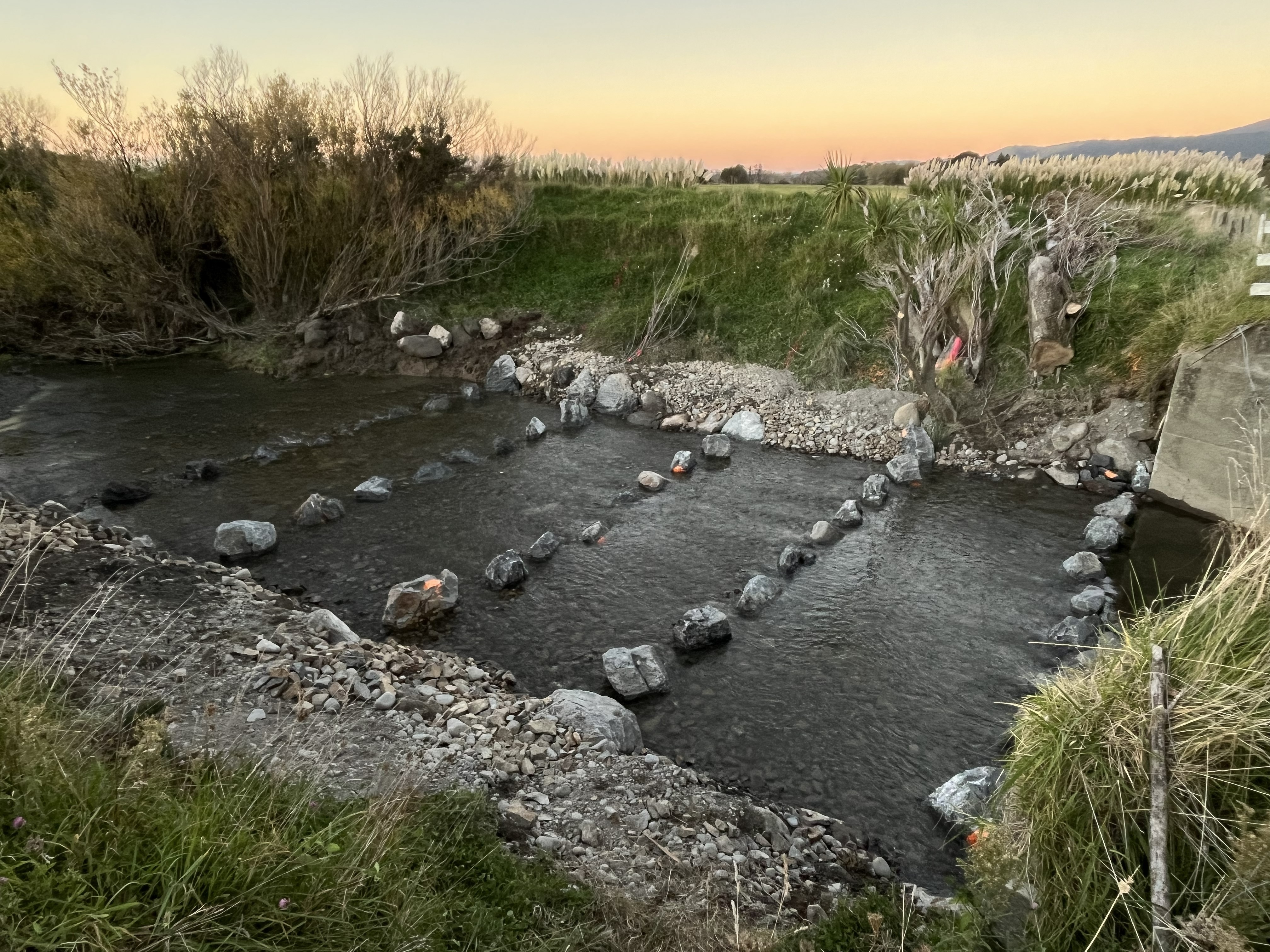 A new fish ramp in southern Wairarapa is helping native species move more freely through a local waterway, while contributing to a wider Greater Wellington programme focused on strengthening flood resilience and delivering better outcomes for communities and the environment.
It has been installed as one of 16 priority flood protection sites across south Wairarapa and Ōtaki, co-funded by Greater Wellington and Kānoa – the Regional Economic Development and Investment Unit.
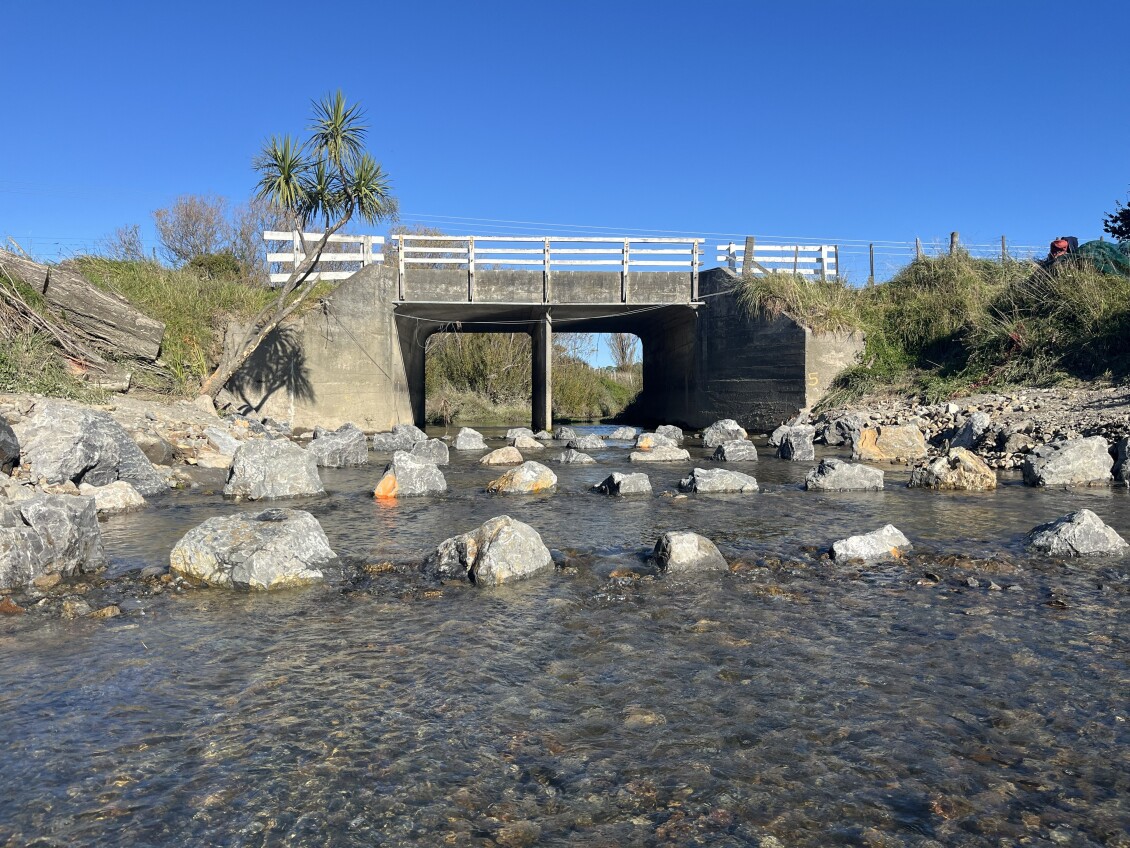
The ramp is helping a range of native species, including īnanga (whitebait), bullies, freshwater crayfish and eels, move up and through two box culverts on the Whangaehū / Pāharakeke Stream so they can more easily reach habitats that will enable them to feed, breed and maintain their populations.
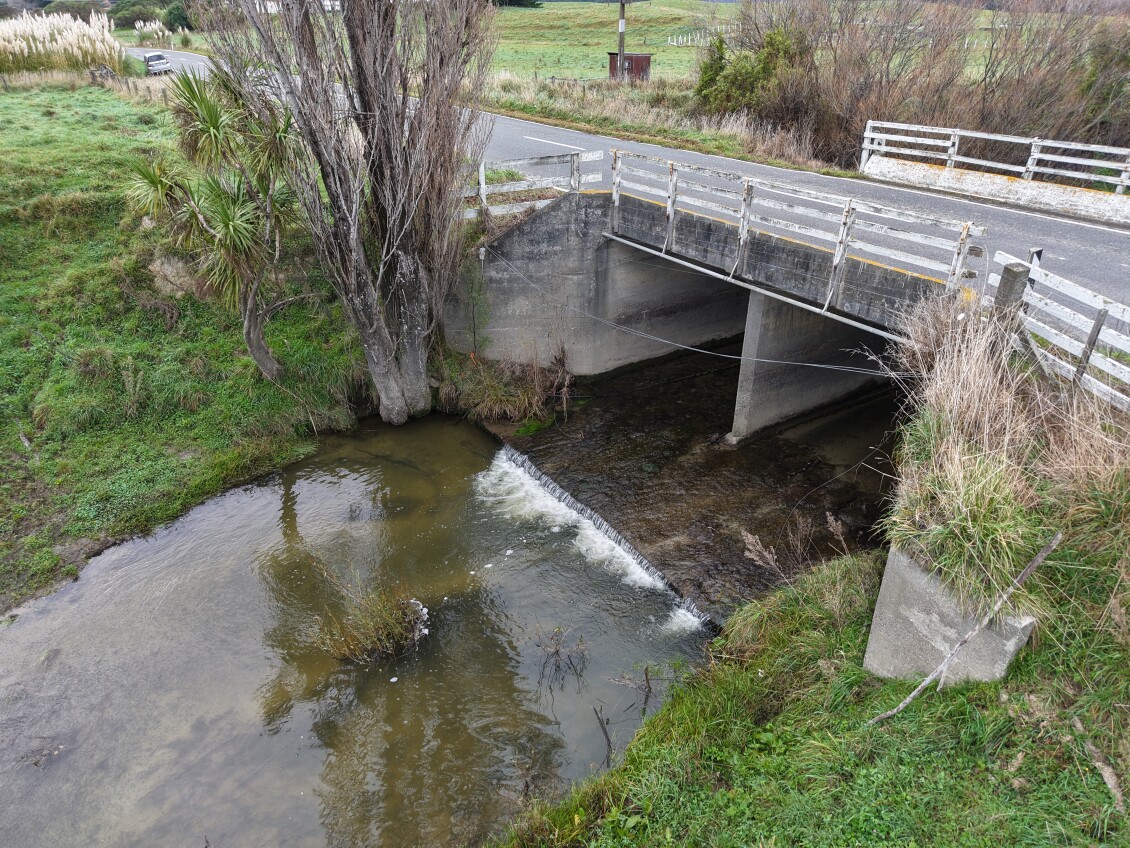
When water levels are normal or low, the culverts created a small drop or step that fish couldn’t easily climb. There often wasn’t enough water flowing through the culverts making it even harder for them to pass through.
The new ramp is made up of large, deeply embedded ridge rocks that emulate natural steps. Gaps between the rocks enables water to flow through into rock-lined pools.
The layout mimics the natural riffles and pools found in streams and gives fish a range of resting areas while maintaining navigable flow conditions.
The ramp raises the water level through the culverts, enabling fish to move through them all year round. Its interlocking design also helps protect the streambed and banks below the culverts, reducing the risk of erosion during heavy flows.
“Lots of Aotearoa’s native fish need to move between the ocean and rivers to complete their lifecycle,” explains Senior Biodiversity Advisor Amy Gault. “Fish can get stuck in places where structures create drops and ledges and this prevents them from moving up or downstream, as well as increasing their risk of predation from larger fish such as eels and trout.”
The site has particular significance for the surrounding community. Says Amy: “We know there’s lots of īnanga migrating into the Ruamahanga River and plenty still making it up this far. They’re our weakest swimming species, and they can’t climb at all, so improving access through the catchment is vital for sustaining these threatened populations.”
Integrating fish passage into flood protection projects reflects Greater Wellington’s joined-up approach to managing rivers and streams in at-risk areas.
By working together, Greater Wellington’s Flood Resilience and Fish Passage teams have delivered better outcomes for both people and the environment. It also reflects ongoing engagement with local communities and mana whenua to ensure those outcomes align with local values and priorities.
It builds on earlier work in the region, including the first rock ramp installed in Wharemaukū Stream in Paraparaumu late last year. Together these projects are helping establish a consistent, high-quality approach to fish passage that aligns with national best-practice guidelines.
“The project reflects Greater Wellington’s focus on building and maintaining climate-resilient infrastructure that works with nature to ensure vulnerable environments are not only protected from flooding, but restored and better connected for the future,” says the programme’s Engineering Project Manager Fraser Woods.
“As climate change continues to increase pressure on river systems, integrating environmental restoration into flood protection work will be increasingly important. Projects like this show how infrastructure can be designed to work with natural processes, protecting communities, while restoring the health and connectivity of waterways for future generations.”
Greater Wellington has filed charges against Tiaki Wai and Wellington City Council following its investigation into alleged unlawful wastewater discharges from the Moa Point Wastewater Treatment Plant. The charges relate to…
Following an independent investigation, Greater Wellington has filed charges in the District Court in Wellington relating to multiple non-compliance events at Moa Point Wastewater Treatment Plant (WWTP). The series of…
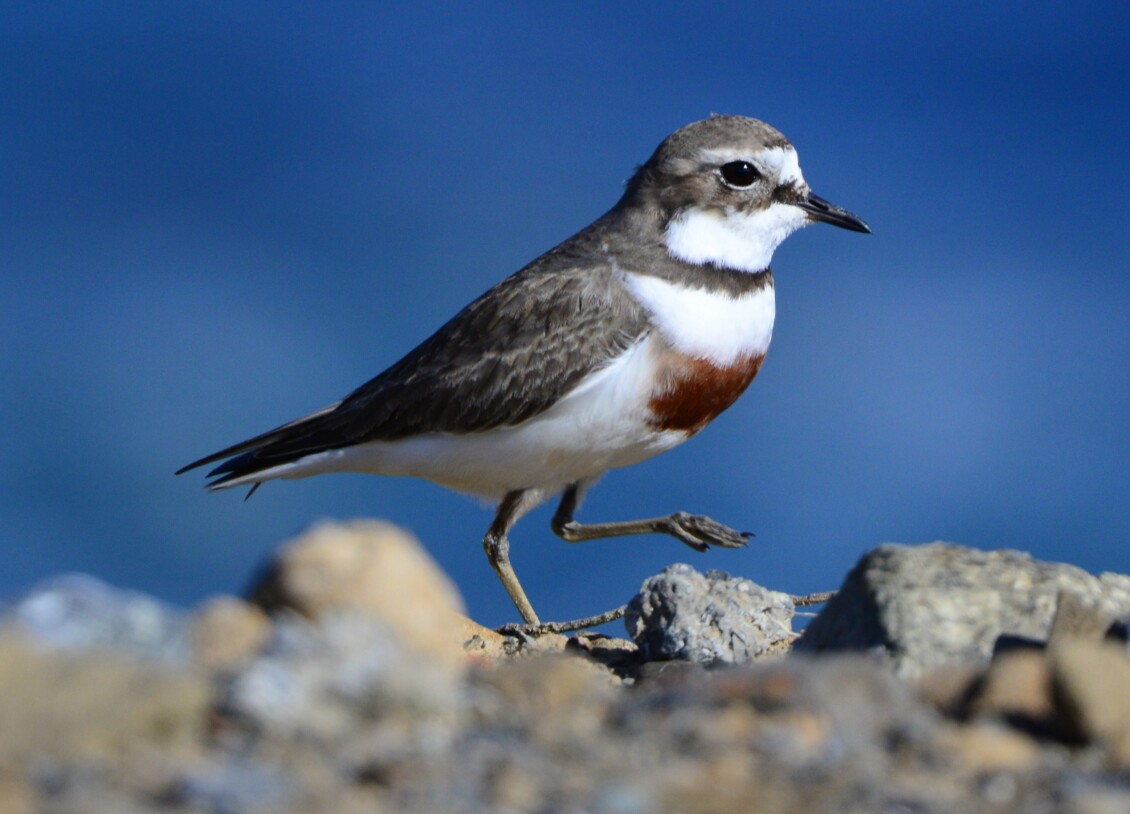
Greater Wellington is throwing its support behind the banded dotterel (pohowera) in this year's Bird of the Year competition, championing one of the Wellington Region's most charismatic, hardworking, and endangered…