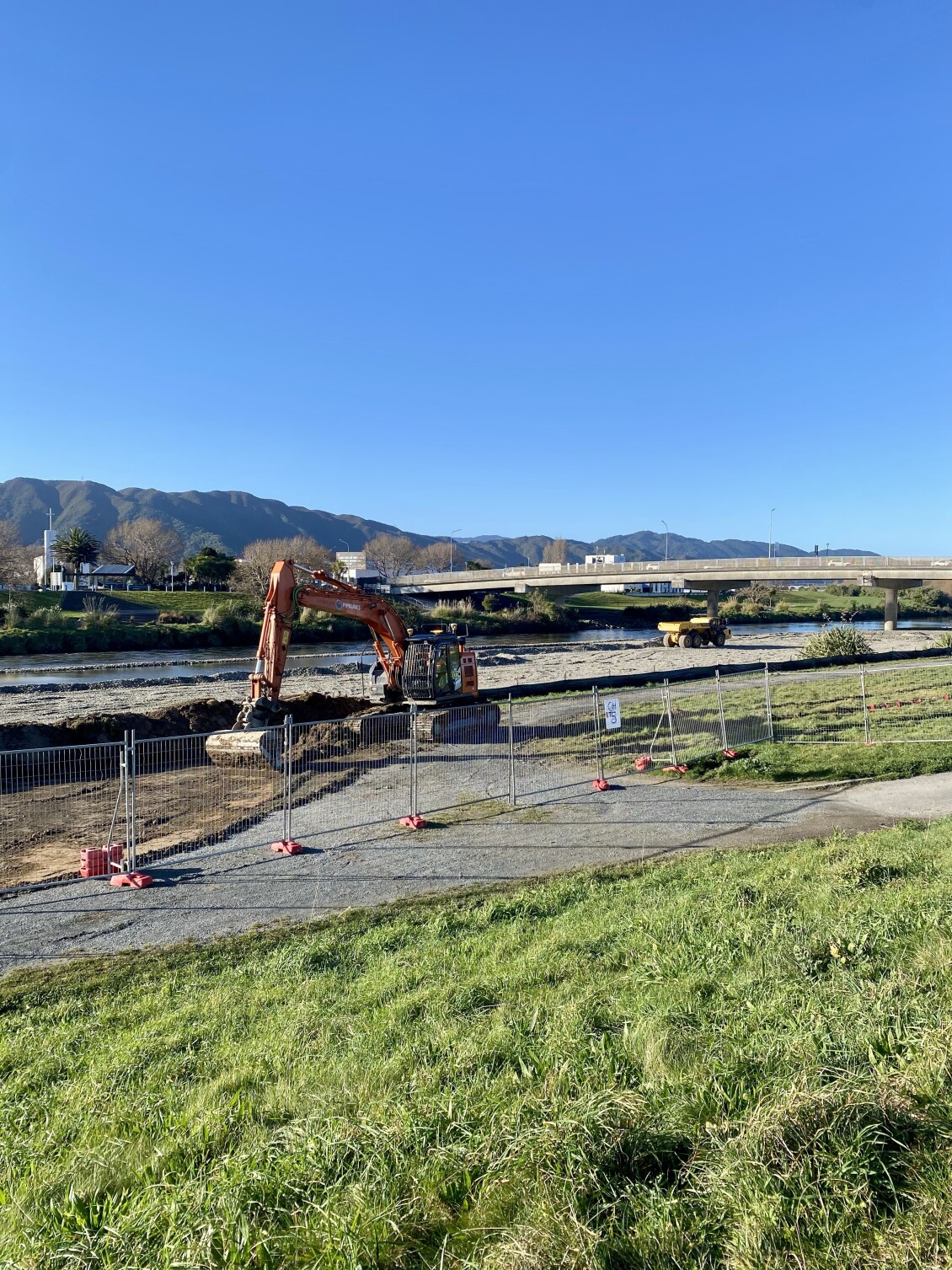
Work is underway near Marsden Street on a temporary rockline that will help support flood resilience works along Te Awa Kairangi/Hutt River while protecting nearby assets as the project progresses. The…

Greater Wellington has updated its cost estimate for the flood protection component of Te Wai Takamori o Te Awa Kairangi (formerly RiverLink) and is continuing discussions with the government on funding options that reflect the project's significant regional and national benefits.
The revised estimate for the flood protection component is $535.4 million, compared with $350.6 million provided for through current Long Term and Annual plan budgets. The updated estimate identifies a forecast funding gap of approximately $184.9 million.
Greater Wellington Deputy Chair Ros Connelly says the updated estimate reflects a mature understanding of the costs, risks and delivery requirements for the Lower Hutt programme.
"Te Wai Takamori o Te Awa Kairangi is one of the most important flood protection projects underway in New Zealand. It will safeguard thousands of lives, homes, and businesses, as well as Hutt Hospital, schools, the Lower Hutt CBD, electricity and three waters infrastructure, local roads, the state highway, the rail corridor, and other crown assets worth billions,” says Cr Connelly.
"Pricing large infrastructure projects becomes more accurate as designs are completed, and risks are better understood. Like the budget for the Melling Transport Improvements, which rose from $420 million in 2021 to $1 billion in 2025, the costs involved in delivering Greater Wellington's share of this programme are now much clearer."
The updated estimate for the flood protection component reflects a range of factors, including changes to transport and bridge design, inflationary pressure on construction and utility costs, and a more detailed understanding of the complexities of delivering separate components of a major infrastructure project in a confined corridor alongside the work of partners.
Unforeseen costs have also been incurred by the regional council through the relocation of the sewer main that runs along State Highway 2, moving the river to achieve the flood protection standard that safeguards the City Link pedestrian and cycling bridge, and additional land purchases to enable construction of the Mills Street stopbank and the new Melling train station.
Cr Connelly says Greater Wellington remains committed to delivering significantly improved flood protection for Lower Hutt.
"Our focus is on controlling costs while maximising the level of flood protection our communities need. The benefits of the programme remain compelling, and the case for safeguarding our region’s second largest urban centre is as strong as ever.
“We’ve seen the destructive and devastating impacts from more frequent flooding events around Aotearoa New Zealand. It’s always cheaper to construct protections than it is to rebuild after the deluge."
Greater Wellington is actively pursuing opportunities to reduce costs and improve value for money, including material reuse, optimisation of construction sequencing, disposal cost reductions through gravel reuse, commercial negotiations, and continued scrutiny of programme risks and assumptions.
While working hard to manage expenses, Cr Connelly says it is appropriate for the regional council to consider how the costs of a project with substantial national benefits should be shared.
"This programme doesn't just protect local assets. It defends nationally significant public facilities and crown assets on New Zealand's most densely populated floodplain.
"It’s currently funded through general rates and a targeted rate in Lower Hutt, but ratepayers should not be expected to carry the burden alone. We're having constructive conversations with ministers, and government agencies about co-funding options that recognise the wider benefits we are delivering."
Greater Wellington will use the revised estimate as the provisional planning basis for development of its 2027-37 Long Term Plan while further work continues to refine costs, reduce uncertainty and explore external funding opportunities. No decisions on future funding arrangements have yet been made.
The cost update will be presented at a Greater Wellington Council Meeting on 3 September 2026. Before Long Term Plan funding decisions are considered, clear financial options will be given to Councillors in mid-2027.
Te Wai Takamori o Te Awa Kairangi is being delivered in partnership with Greater Wellington, Hutt City Council, NZ Transport Agency Waka Kotahi, Ngāti Toa Rangatira and Taranaki Whānui ki Te Upoko o Te Ika. The programme will protect Lower Hutt from a 1-in-440-year flood, which has a 0.23% chance of happening in any year, while also supporting the Melling Transport Improvements, urban regeneration and environmental enhancement of the Hutt River.
Work is underway near Marsden Street on a temporary rockline that will help support flood resilience works along Te Awa Kairangi/Hutt River while protecting nearby assets as the project progresses. The…
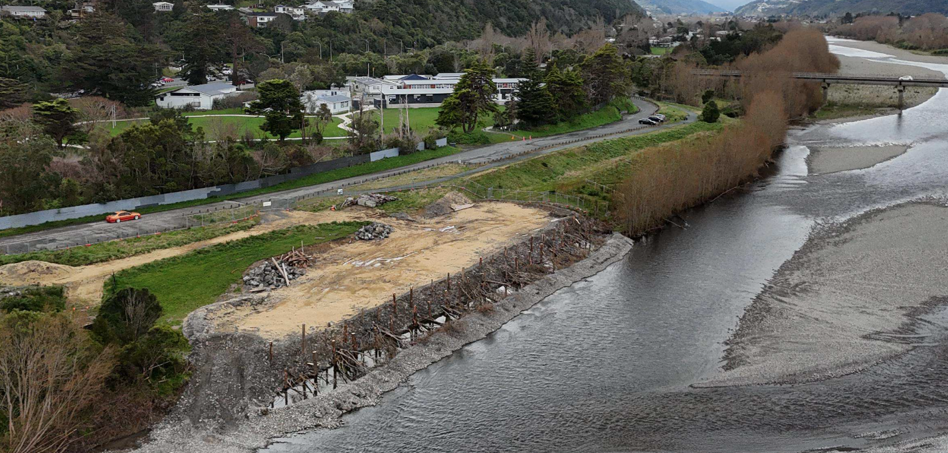
Tree felling along parts of Te Awa Kairangi/Hutt River near Pharazyn Street is part of a wider effort to improve flood resilience by working with nature through bioengineering. This year, Greater…
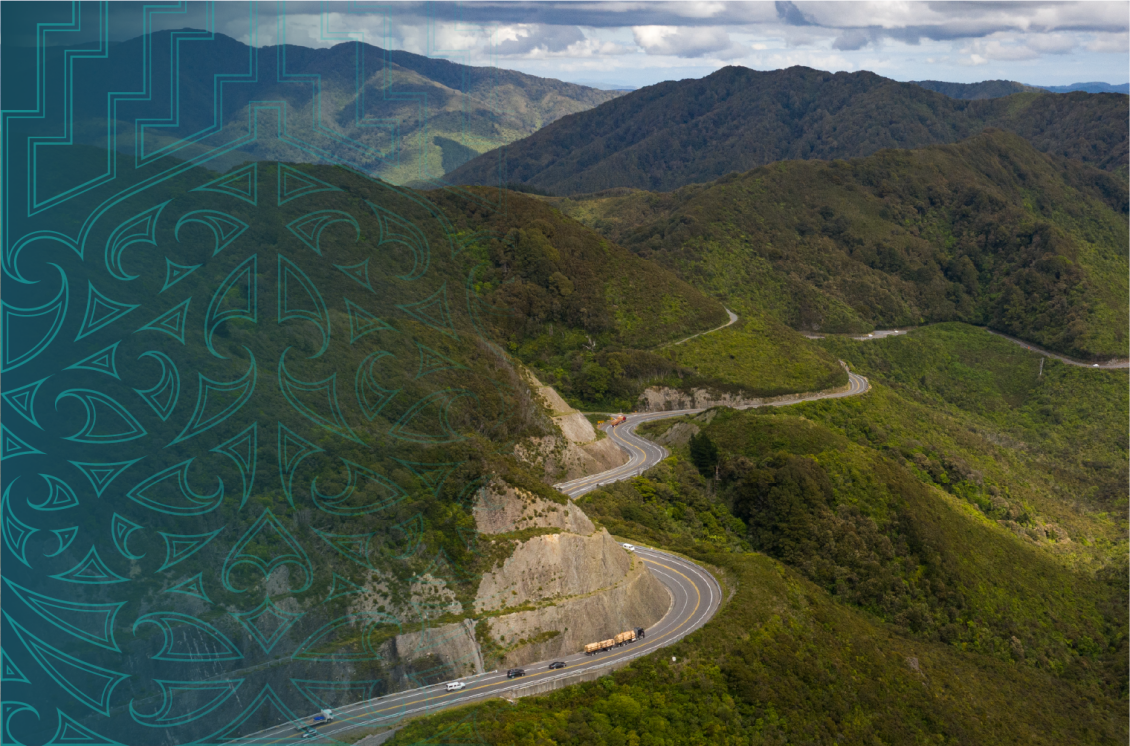
Capping rates increases at 4% would fail to recognise the real cost borne by Greater Wellington for protecting communities, maintaining essential services and investing in the region’s long-term resilience. Greater Wellington…