
Our Māori name
Te Pane Matua Taiao speaks to our values and vision for our region and people. It represents our leadership, functions and responsibilities in promoting and maintaining the social, economic, environmental and cultural wellbeing of our region.
 Te Pane
The crown of the head.
Matua
First, capital, parent, primary, principal, senior.
Taiao
Environment, world.
The name Te Pane Matua Taiao was created by mana whenua and was a koha (gift) to Greater Wellington in recognition of our partnership, making a powerful statement about our connection to mana whenua. Our mana whenua partners are integral to our region, its history and culture. They are key when it comes to the decisions that are made for the future of our region.
Greater Wellington | Ki Uta Ki Tai
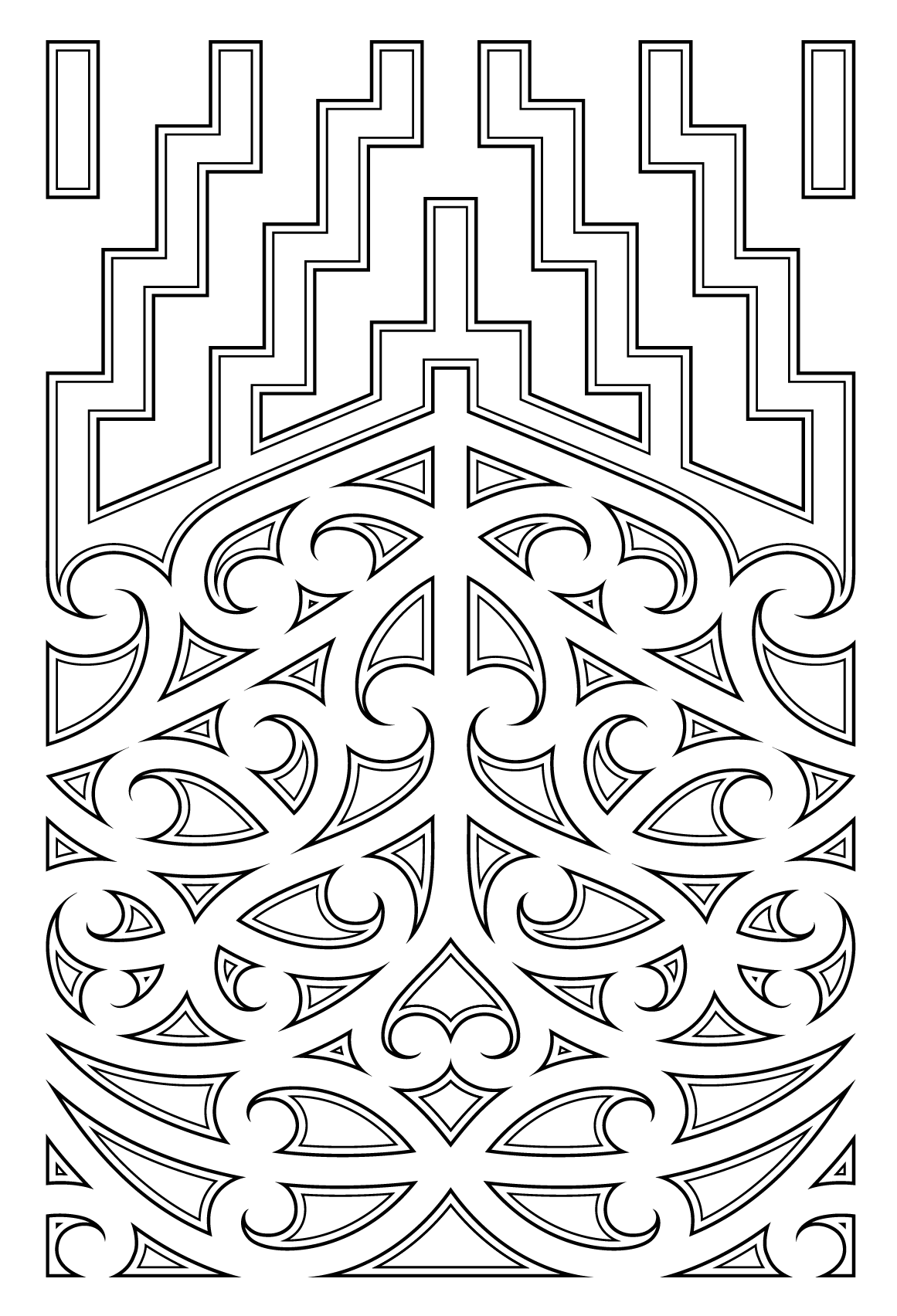
Ki Uta Ki Tai is the name given to our tohu, Greater Wellington’s visual te ao Māori representation of who we are and what we do.
In te ao Māori, the balanced natural order of ecosystems and ecological thinking is characterised in the expression Ki Uta Ki Tai which refers to the journey of wai (water) as it falls from the sky, flows over the land and out to sea. Within this mātauranga Māori understanding of sustainable land management, all parts of the ecosystem have a relationship with each other, and nothing can be separated.
Born out of the concept of Rere ki uta - Rere ki tai, our tohu represents Greater Wellington and our united aspirations. It speaks to our collective mahi – from the ground up. If we continue to nurture and raise our land – our land will nurture and raise us.
Ki Uta Ki Tai features ngaru (waves) and mangōpare (the hammerhead shark) symbolising the importance of wai. Water is the essence of all life, like the blood of Papatūānuku (Earth Mother) who supports all people, plants and wildlife. Ko te wai te ora ngā mea katoa - water is the life giver of all things. Ngā wai-ō rua - the two waters also known as Wairua, represents the essence of life Tangaroa (God of the Sea) and Papatūānuku, the water and all things in te taiao (the environment). The mangōpare represents our determination and the hard, physical and tangible work we do at Greater Wellington to maintain and restore the korowai (cloak) of Papatūānuku.
Ngā hau e whā is represented in the four corners of our tohu. Ngā hau e whā acknowledges our collective differences and embraces diversity and inclusion – culture, race, ethnicity, beliefs and sexuality.
A surrounding element of the tohu features koru - the unfurling new leaf of the ponga fern. This symbolises new life, growth, strength and peace. The koru represents the whenua and tangata of Te Whanganui-a-Tara.
As we journey through our tohu, we come to the roof of our whare Te Tuanui. The roof is built on by our poutama (stairway to heaven) representing the foundation we leave for the next generation, to build from the pinnacle of our success not the foundation.
The poutama symbolises levels of attainment, advancement and growth, striving ever upwards for betterment. The top of the tohu is open, encouraging change and signifying what is to come.
Metlink | Te Kāpehu o te Haerenga (Navigating Together)
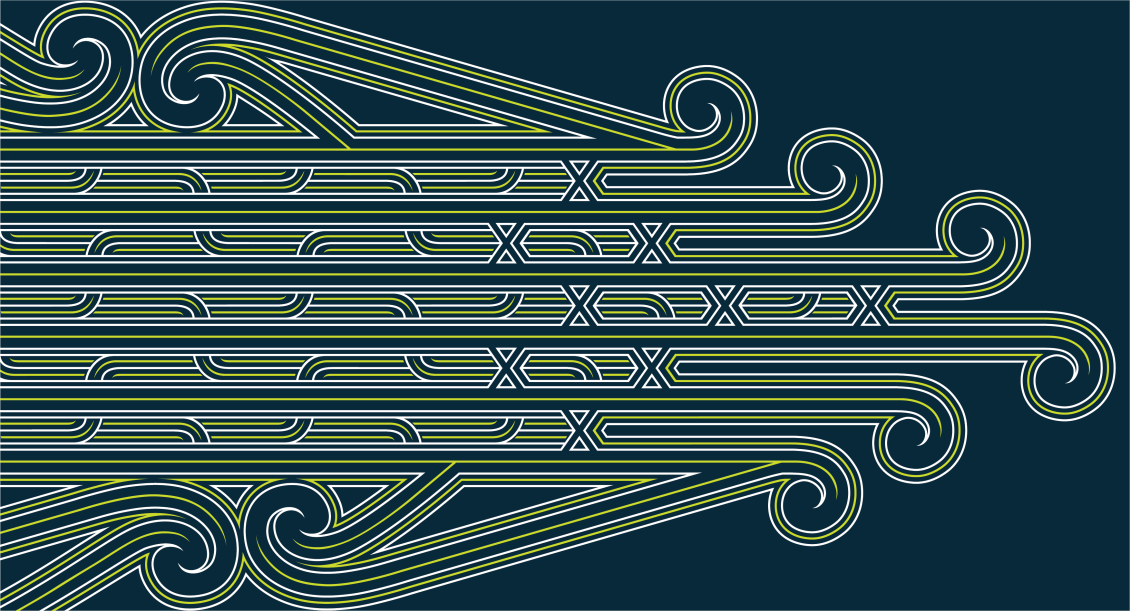
Te Kāpehu o te Haerenga (Kāpehu – compass, Haerenga - journey, trip, parting) is the name of Metlink’s tohu (design), the visual representation of who we are and what we do.
Te Kāpehu o te Haerenga is the cultural anchor for Metlink’s brand, guiding design, storytelling, and connection.
Toi Māori (Māori design) plays a vital role in shaping an inclusive, culturally grounded public transport network. Our Wellington region is rich in Māori heritage, and the integration of toi Māori design acknowledges mana whenua, strengthens local identity, and reflects the unique cultural landscape of our rohe (environment).
For Metlink, embracing toi Māori reinforces its commitment to partnership with mana whenua, supports cultural sustainability, and contributes to a more connected, respectful, and vibrant regional network.
Meaning and story
Te Kāpehu o te Haerenga brings together elements of toi Māori to express public transport as a living journey of connection, guidance, and belonging.
At its foundation is ngā hau e whā, the four winds, welcoming people from all directions, cultures, and walks of life. It reflects manaakitanga, shaping a transport experience grounded in care, safety, dignity, and inclusion.
Guiding this journey is ngā whetū, the star compass. Drawing on traditions of Māori navigation - where land and sky hold knowledge - it reminds us that every journey is more than movement. It connects people to place, to history, and to the stories of the whenua they travel through.
At the heart of the design is tūhonotanga, deep connection. Like interwoven pathways, the network brings communities together, enabling relationships, opportunity, and shared experience. Travel becomes more than getting from one place to another; it becomes a space for connection.
Flowing through it all is wiri, the energy of movement and life. It expresses the living mauri (life-force) within each journey: the constant motion of people, stories, and purpose moving together. It recognises public transport not just as infrastructure, but as a vital part of community wellbeing and environmental balance.
Together, these elements form a narrative grounded in Māori knowledge, while remaining open and meaningful to all. It invites every traveller to be part of a shared journey, one that honours the past, connects the present, and moves forward together.
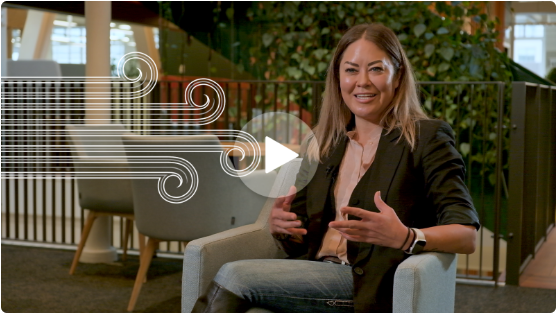
Watch the video to find out more about the meaning behind the design.
Get in touch
- Phone:
- 0800 496 734
- Email:
- info@gw.govt.nz