Greater Wellington is urging jet boaters and other river users to report sightings of exposed rail irons in Wairarapa rivers – hidden hazards that can cause serious injury or death. A…

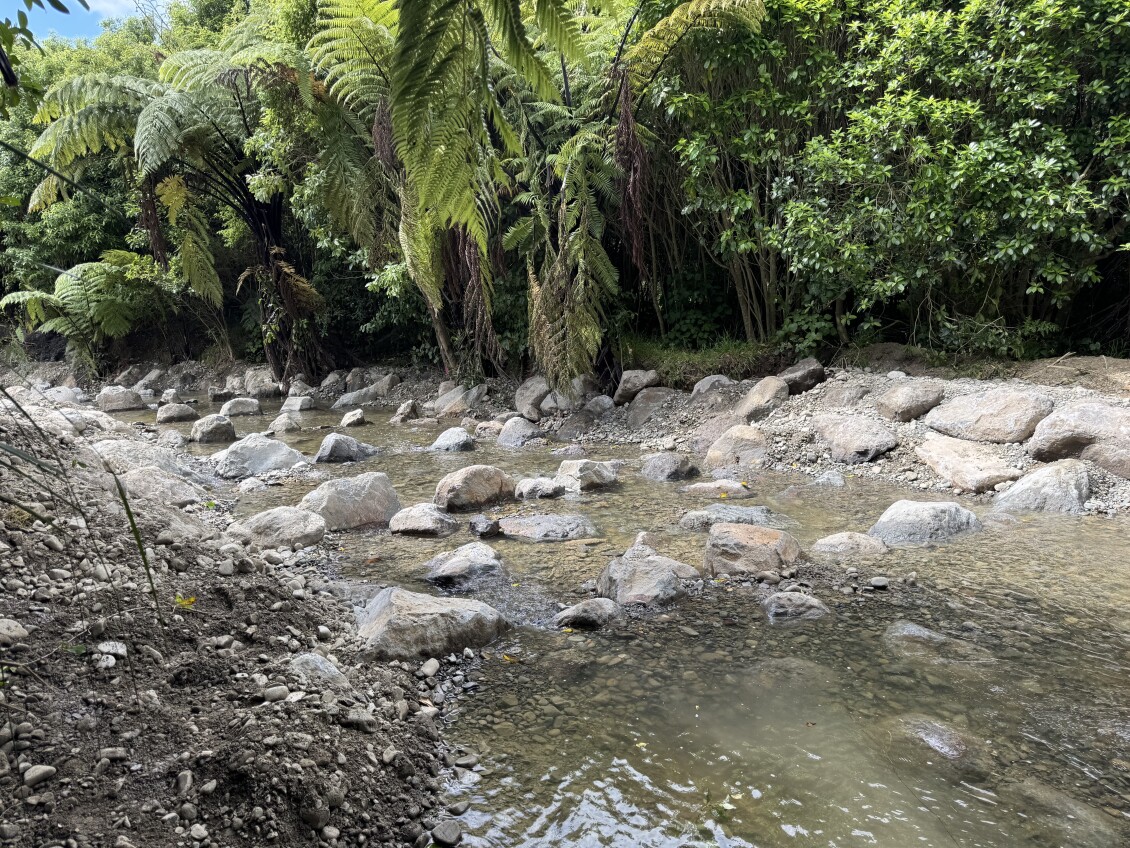
Threatened fish species in Wharemaukū Stream, Paraparaumu, have an improved passage up and down the stream thanks to a new “rock ramp” fishway which is the first of its kind in the Wellington region.
The gold-standard design and construction was completed under the Waikanae Ki Uta Ki Tai kaupapa, a partnership between Ātiawa ki Whakarongotai, Kāpiti Coast District Council, Greater Wellington and Department of Conservation to improve fish passage and habitat connectivity in this region.
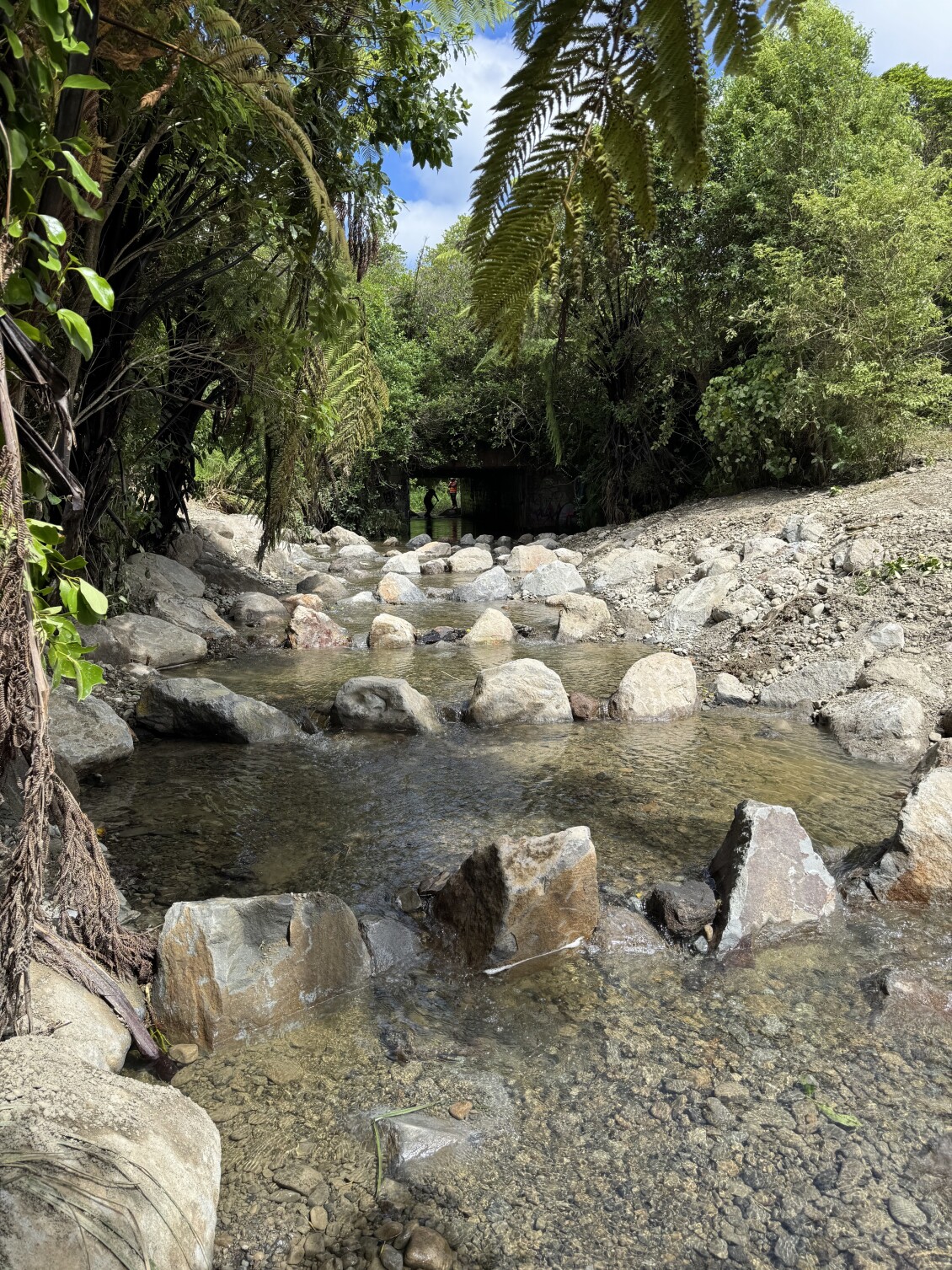
A culvert in the stream was previously obstructing fish movement in and out of the restored Kaitawa Reserve that Wharemaukū runs through says Greater Wellington’s director of delivery Jack Mace.
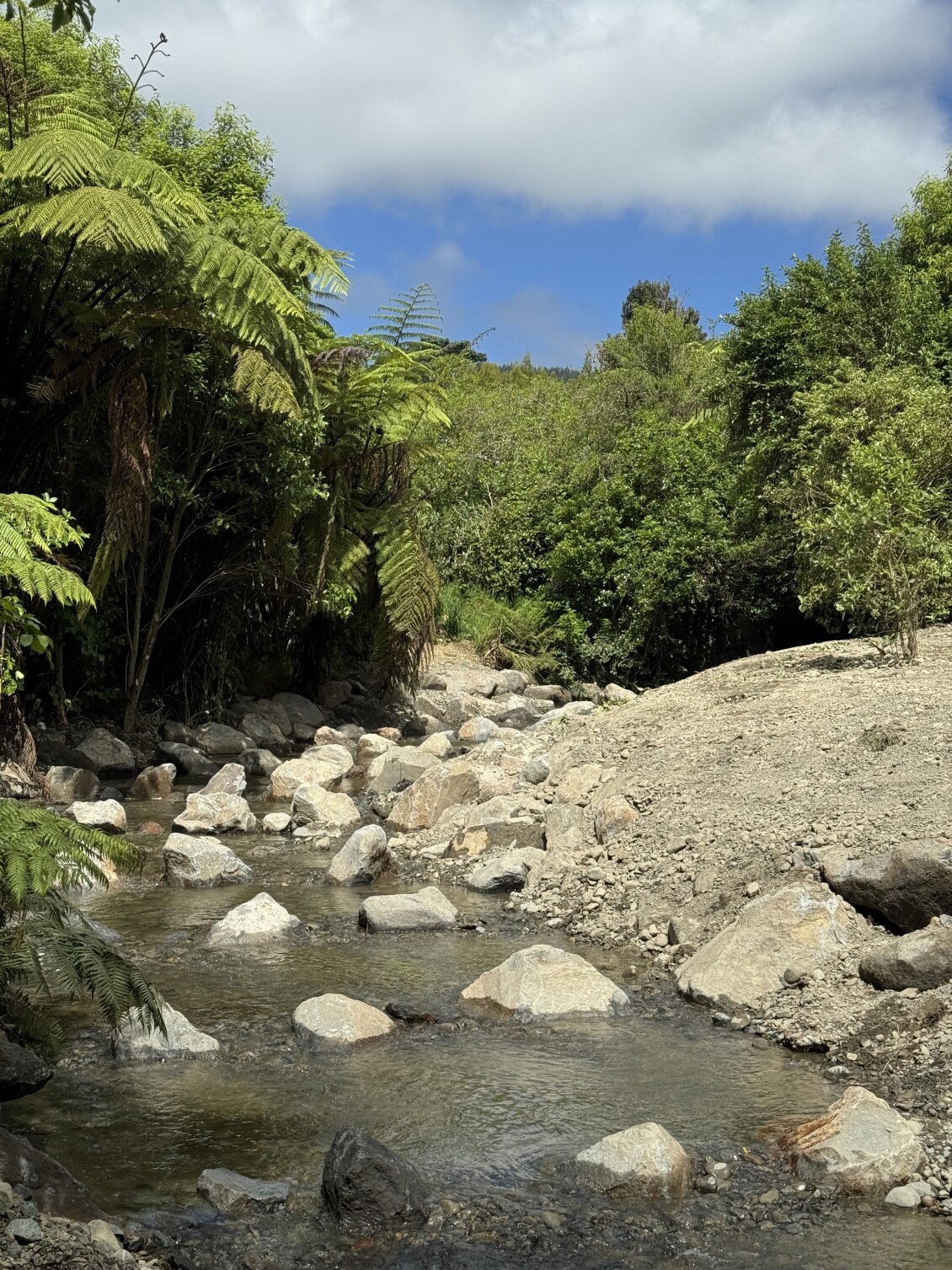
“The rock ramp has been carefully designed so that a series of steps and resting pools eases the gradient of the stream,” says Mace.
“Using all natural rock materials, the ramp overcomes the sharp drop off the edge of the culvert, increasing the depth and slowing the speed of water through and beyond the culvert.
“The ladder-like design means that smaller fish can make their way up in short bursts of high energy swims, then rest in the pools before continuing their journey. This method is the ‘gold-standard’ according to New Zealand fish passage guidelines as it caters to all fish at all life stages.”
Te Ātiawa ki Whakarongotai Chair, Helena Baker says that the iwi is pleased with the mahi-ā-taiao improvements thus far, which reflect their mana whenua values.
"Ko ngā tai me ngā wai o Whakarongotai te taonga; ka tiakina te whenua me te awa, ka ora te mauri," says Baker.
"The tides and waters of Whakarongotai are treasures; the land and waterways are cared for and the life force is sustained."
Wharemaukū is a channel for many threatened and at-risk species says Department of Conservation Technical Advisor, Dr Aidan Mora-Teddy.
“The Wharemaukū has relatively good biodiversity for a stream in the heart of an urban environment. We have found piharau (lamprey), a few of the whitebait species, bullies, and tuna (eels)” says Mora-Teddy.
“The ramp is fit for the many species found in this stream, from the smaller bullies to larger tuna. It’s great to see the catchment opened up to support the wide range of fish.
“Improving passage for threatened migratory fish to move up and downstream lets them reach the important habitats they need to survive. This is particularly important in urban streams, where good habitat is often limited.”
“The completion of this rock ramp allows fish to move up to those forested areas with stable temperatures critical to their success. It’s great to see collaborative work between Government agencies like Greater Wellington and DOC to complete some tangible conservation projects.”
The rock ramp can be viewed in Kaitawa Reserve, at the Rīwai St entrance. Planting around the riverbanks will start during winter 2026.
Waikanae Ki Uta Ki Tai was established in 2019 as a unique Treaty house partnership to identify common values for the Waikanae Awa.
Ātiawa ki Whakarongotai is the ‘Iwi house’, with Department of Conservation, Greater Wellington and Kāpiti Coast District Council aligning their roles as the ‘kawanatanga (government) house’.
For more information, visit Waikanae Ki Uta Ki Tai.
Greater Wellington is urging jet boaters and other river users to report sightings of exposed rail irons in Wairarapa rivers – hidden hazards that can cause serious injury or death. A…
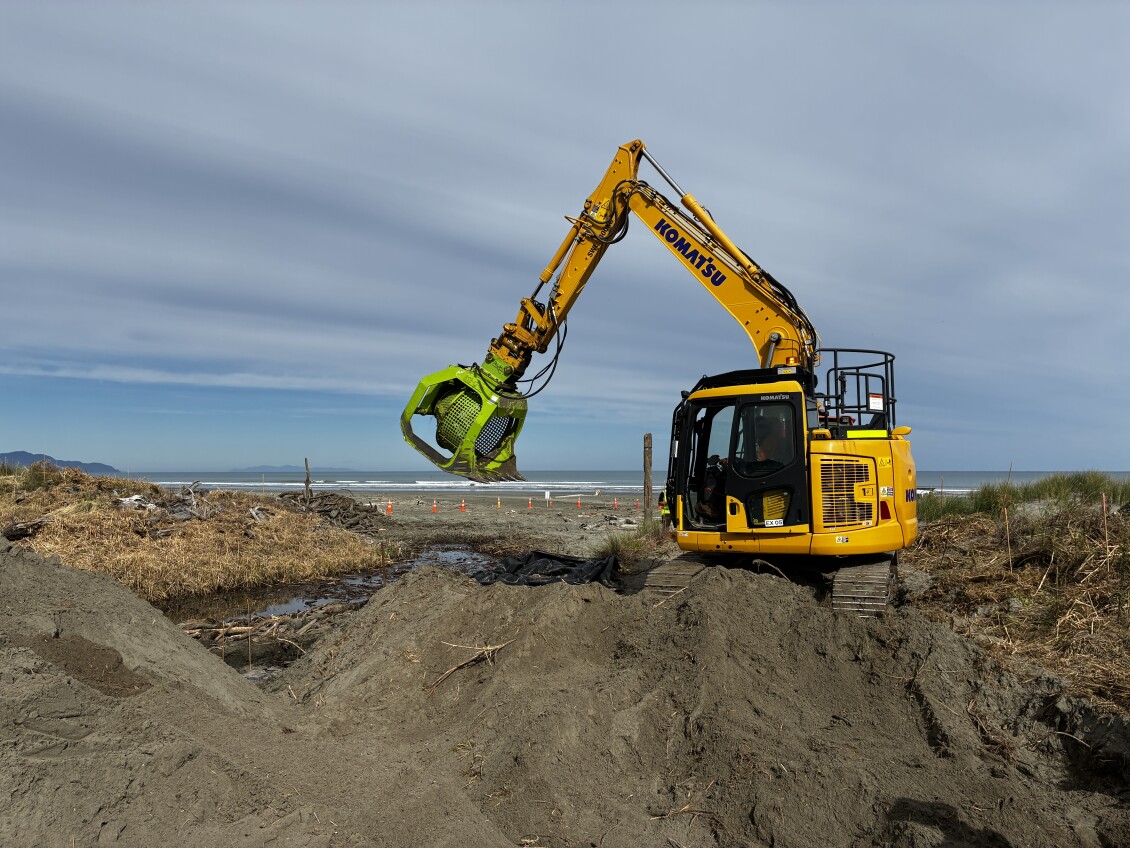
Diggers have been hard at work on Waikawa Beach removing an infestation of Phragmites karka at the mouth of Lake Waiorongomai, an area of environmental importance and cultural significance. In…
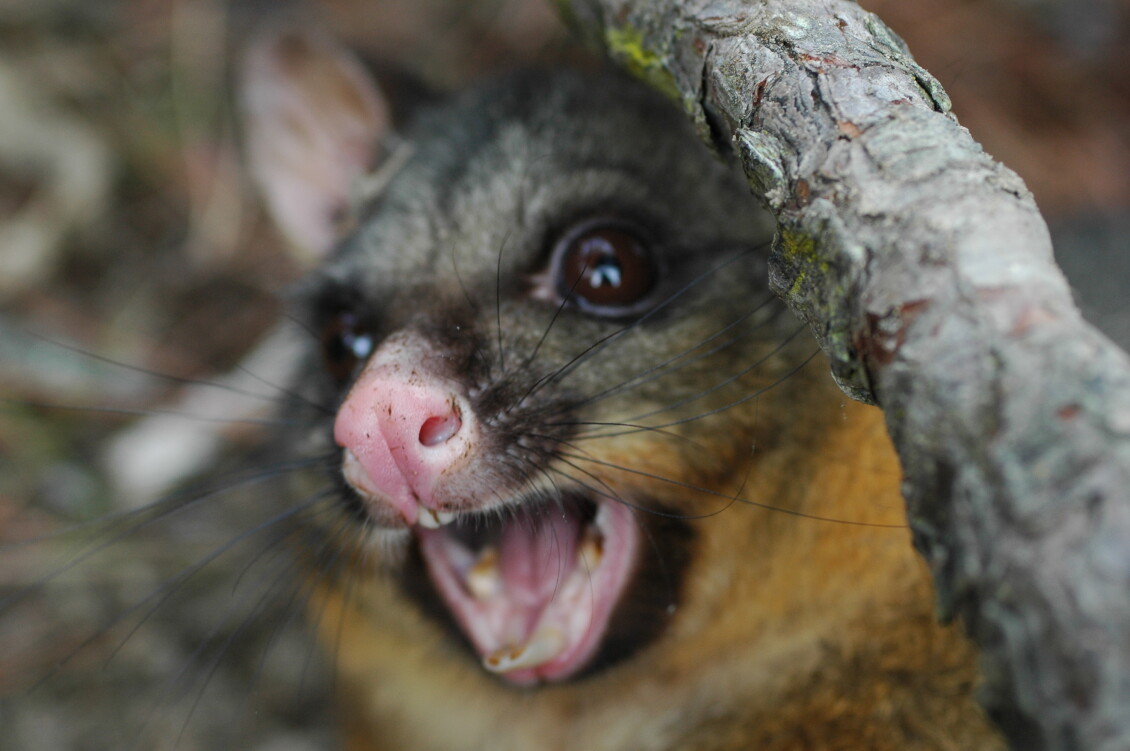
Possums are threatening Greytown’s leafy heritage, and Greater Wellington is calling for local homeowners to help protect trees and wildlife by allowing traps to be installed in their gardens. Arbor…